
Paying Workshop Workers in Ghana: Day Rates, Apprentices, SSNIT and Records
Elkanah Kwaku Donkor · Founder, Fabri Manager · 27 Sept 2026 · 5 min read
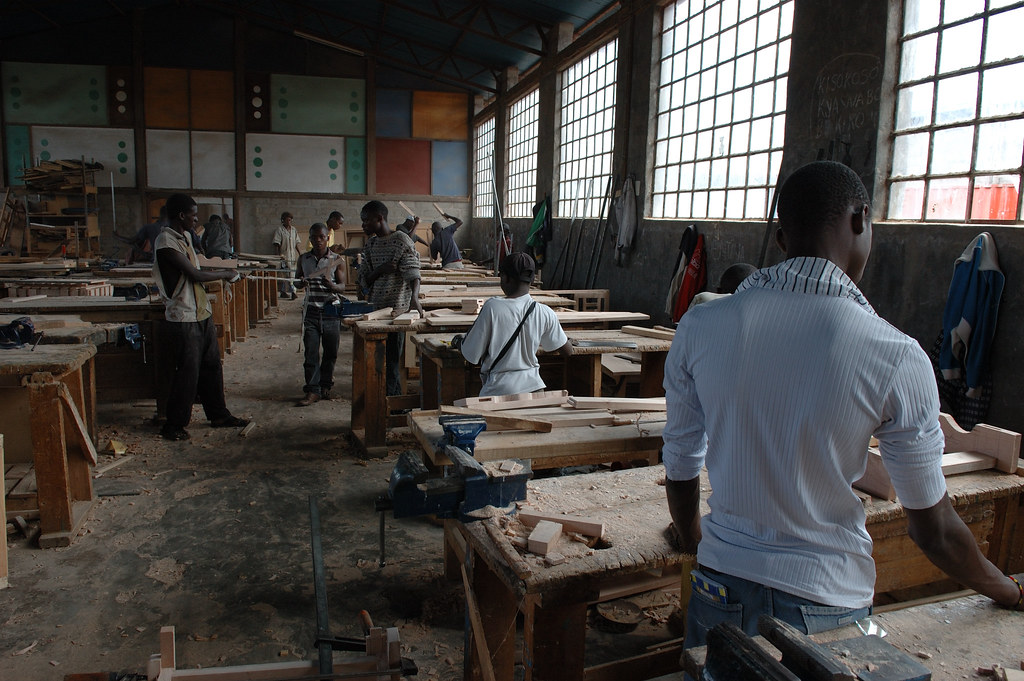
Every growing workshop in Ghana hits the same wall: the owner is the best welder, the best salesman and the only person who knows what anything costs — and the business cannot grow past the owner's own hands.
Hiring is the way through. Paying people properly is what makes hiring work.
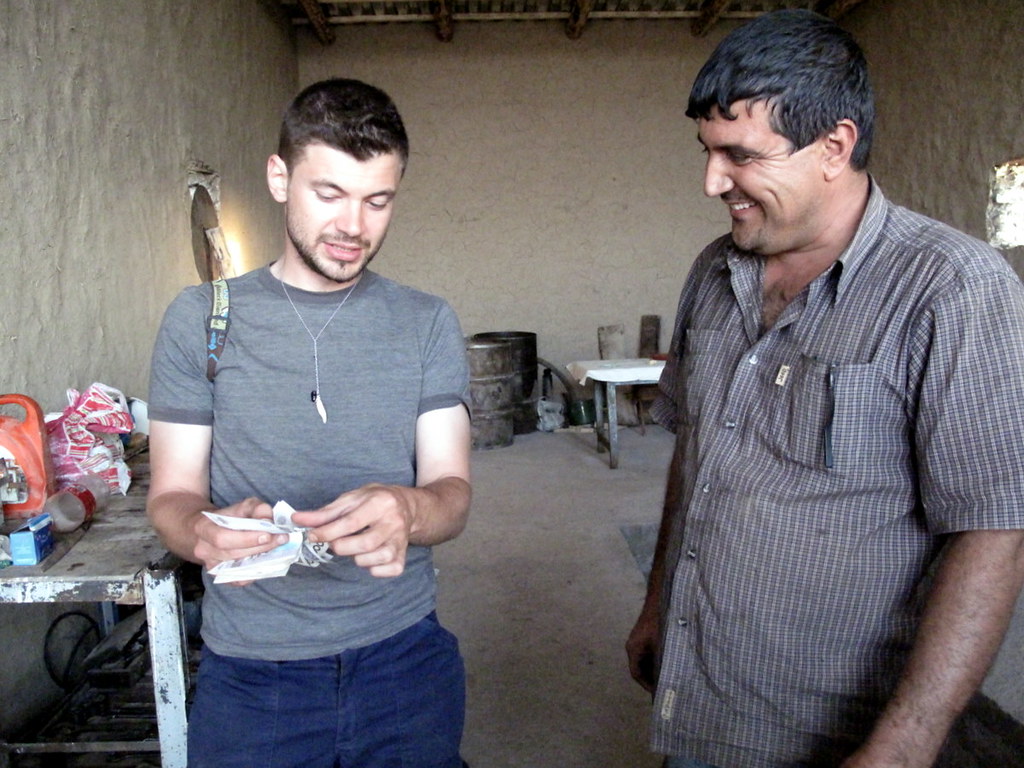
Day rate, piece rate, or salary?
| Model | Works well for | Watch out for |
|---|---|---|
| Day rate | General workshop labour, variable workload | Slow days still cost you; no reward for speed |
| Piece rate (per gate, per window) | Repeatable output, experienced hands | Quality drops when speed pays; disputes over "what counts as finished" |
| Monthly salary | Your core, long-term people | You carry them in quiet months — which is also why they stay |
| Day rate + job bonus | Most small workshops | Keep the bonus rule simple enough to explain in one sentence |
The pragmatic setup for a workshop of two to six people: monthly salary for the one or two you cannot lose, day rate for the rest, and a small bonus on jobs finished on time and right first time.
Whatever you choose, be explicit about the day: what time work starts, what time it ends, and whether lunch is inside or outside the rate. Most workshop pay disputes in Ghana are really about undefined hours.
What the law expects
Ghana's Labour Act (Act 651) sets the floor, and it applies to small workshops too:
- Minimum wage. A national daily minimum wage is set and reviewed periodically — check the current figure before setting rates; it moves.
- Hours and overtime. There are limits on normal working hours, and overtime is payable at an agreed enhanced rate.
- Rest and leave. Weekly rest, public holidays, and paid annual leave for continuous service.
- Written terms. A worker employed for longer than a short qualifying period is entitled to a written statement of their terms of employment. One page is enough — and it protects you at least as much as them.
- Fair termination. Dismissal has a process. "I told him not to come back" is how workshops end up before a labour officer.
- Safety. You owe a safe working environment: guards on machines, helmets and gloves that exist, an extinguisher that works. In a workshop full of grinders and arcs, this is not paperwork — it is somebody's eyesight.
Confirm current rates and rules with the Labour Department or a payroll consultant rather than from memory; details change.
SSNIT, PAYE and the parts owners avoid
- SSNIT. Employers are required to register employees and remit social security contributions, split between employer and employee portions. Workers increasingly ask about it, and it is one of the reasons a good welder chooses one workshop over another.
- PAYE. Tax is withheld from wages above the tax-free threshold and remitted to the GRA. Register your business as an employer and file.
- Apprentices. The traditional Ghanaian apprenticeship is the backbone of the trade, and it deserves honesty: agree the length of training, the stipend or chop money, what is taught, and what happens at graduation — in writing, with the family if the apprentice is young. An apprentice who is only free labour learns nothing and leaves.
If this feels like more than your workshop can carry today, start with what is both cheap and high-value: written terms, correct wage rates, and a payment record. Add SSNIT and PAYE properly as you formalise — see registering the business.
The records that protect you
Keep these three, and almost every pay dispute dies before it starts:
- A one-page written term sheet per worker — role, rate, hours, start date, leave, notice.
- An attendance record — days worked per person, per week. A cheap exercise book is enough, as long as it is kept daily.
- A payment record — who was paid, how much, for what period, and their acknowledgement. MoMo transfers make this easy; cash needs a signature.
Two more habits worth the effort: pay on the same day every week or month (nothing damages a small workshop's reputation among good tradespeople faster than unpredictable pay), and keep labour cost per job, so your quoting is based on what work actually costs rather than what you hope it costs. That figure is the missing input in how to price a fabrication job.
Common questions
What is a fair day rate for a welder in Ghana? It varies by region, skill and whether tools and transport are provided. Ask around your own area, respect the national minimum wage as the floor, and pay skilled hands above the market if you want to keep them.
Must a small workshop pay SSNIT? Employers are required to register employees and contribute. Confirm your obligations with SSNIT directly for your size and setup.
Can I pay apprentices only "chop money"? That is common practice, but be explicit about the arrangement, the training being given and its duration. Exploited apprentices leave, and they tell people why.
How do I stop workers taking materials? Issue materials against a job, count what returns, and keep the store locked with one person accountable. Suspicion is not a system; a store record is.
Fabri Manager gives every job a record your team can see — what was quoted, what stage it is at, what it cost — so labour, materials and payments stop living only in your head.
Run your business the organised way
Quotes, jobs, invoices and payments in one place — built for Ghana's construction and home-service businesses. 30 days free.
Start your free trial