
How to Choose a Fabricator in Ghana: 10 Questions Before You Pay a Deposit
Elkanah Kwaku Donkor · Founder, Fabri Manager · 27 Sept 2026 · 4 min read
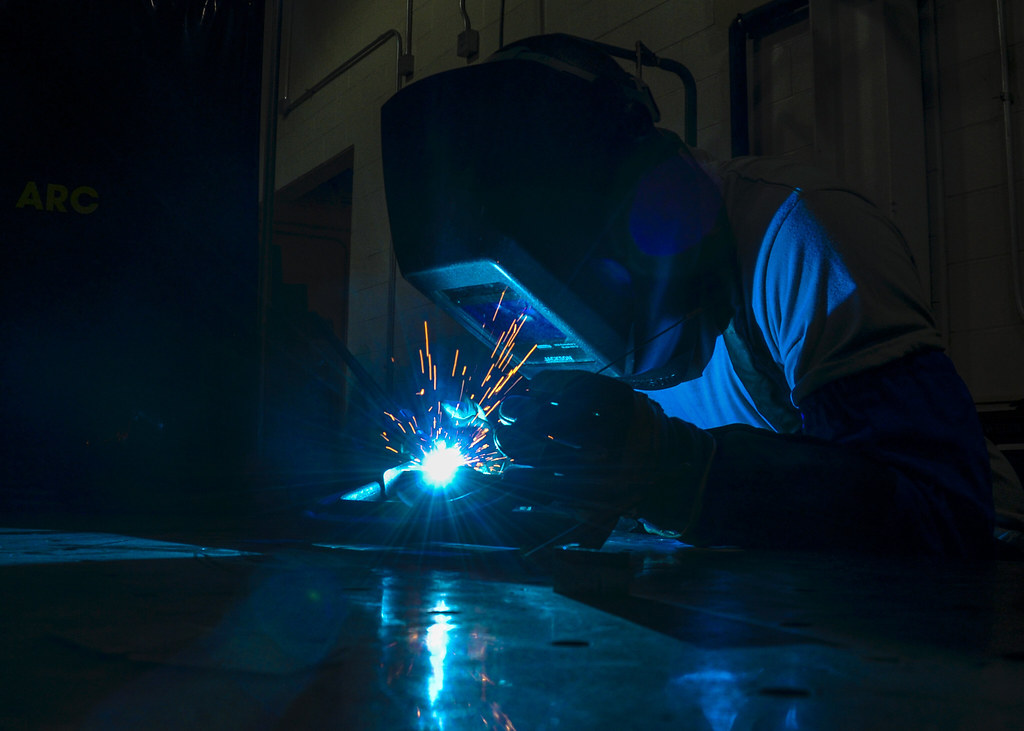
Most complaints about fabricators in Ghana are not about welding. They are about time, silence and money: the job that took three months, the workshop that stopped answering, the deposit that turned into "boss, steel has gone up".
Almost all of it is avoidable at the quotation stage. Here is how.
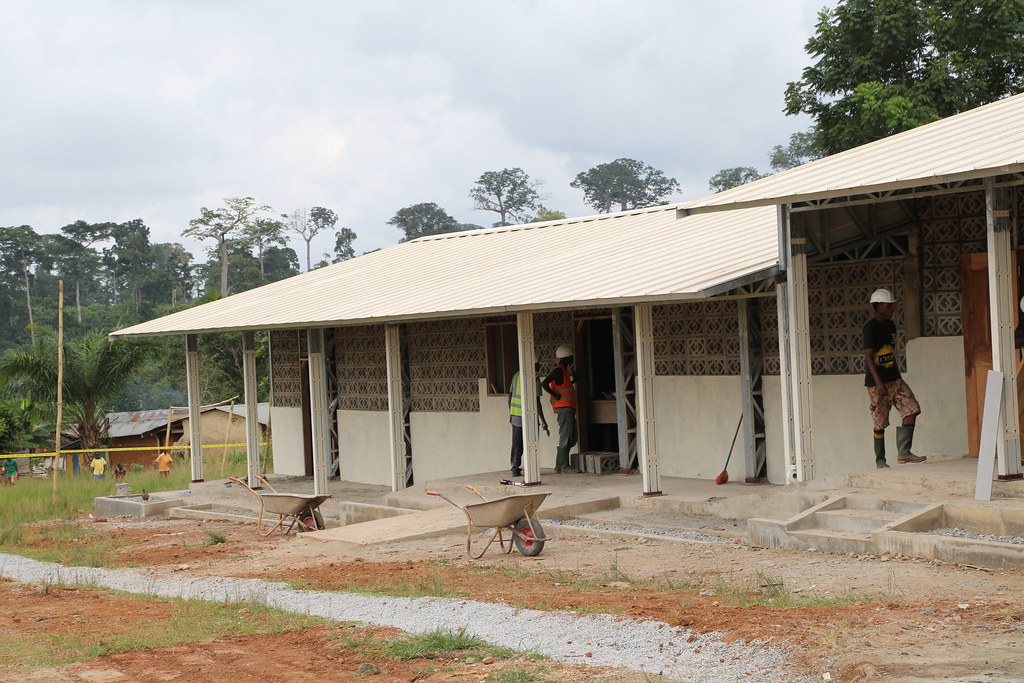
The ten questions
- "Can I see work you finished more than two years ago?" New work looks good on everybody. Two-year-old work shows you the welds, the paint and the hinges after a rainy season.
- "Can I visit the workshop?" You are not inspecting tidiness; you are checking that it exists, that there is work in it, and that there are people doing that work.
- "What exactly is included?" Materials, sizes, thickness, finish, transport, installation, making good. Vague quotes become expensive conversations.
- "What steel are you using — size and gauge?" The single question that reveals whether you are comparing two quotes or two different products.
- "How long will it take, and when do you start?" Get a start date and a finish date, not "two weeks" measured from an unknown moment.
- "What is the payment structure?" Deposit, stage payment, balance on completion. A workshop that wants everything upfront is asking you to fund their business at your risk.
- "How long is the quotation valid?" A serious workshop states it. It also means they will not ambush you with a revision halfway through.
- "What happens if I am not satisfied with the finish?" Listen for a concrete answer about touch-ups and rework, not reassurance.
- "Do you guarantee the work?" On fabrication, a few months to a year on workmanship is normal. Hinges, rollers and motors carry their own terms.
- "Who is my contact while the job runs?" A name and a number. On a busy workshop, "the boss" is often the bottleneck.
Ask all ten by WhatsApp if that is easier. How a workshop answers questions before they have your money tells you almost everything about how they will answer them afterwards.
Warning signs
- A price quoted in seconds, from memory, with no measurements. They are guessing, and the correction will be your problem.
- No written quotation. If it is not itemised on paper, it is not a price, it is a mood.
- Full payment demanded upfront. For custom work a 50% deposit is normal; 100% is not.
- No physical workshop and no references. Everyone starts somewhere, but for a large job, "somewhere" should not be your compound.
- They agree to everything. A fabricator who never says "that will not work" has stopped thinking about your job.
- A price far below everyone else. It is not a favour. It is thinner steel, missing finish, or a job that will be abandoned when the money runs out.
How to structure the job so you stay in control
- Pay in stages tied to visible progress: deposit for materials, a stage payment when fabrication is complete, the balance on installation and handover.
- Photograph everything — the quotation, the design you agreed, the materials delivered, the work in progress. A photo ends an argument in one message.
- Confirm changes in writing. "Please confirm the new price for the added design" costs one message and saves the final conversation.
- Never pay the final balance before you have inspected the finish in daylight. Check the welds, the alignment, the paint edges, the way it opens.
- Keep the paperwork. Quotation, receipts for every payment, and the warranty. You are keeping evidence, and evidence makes people behave.
And when you find a good one, keep them
Good fabricators in Ghana are busy, and the client they pick up first is the one who paid on time, communicated clearly and did not haggle the last cedi out of them. Being an easy client is a genuine advantage on your next job.
Common questions
How much deposit is normal for fabrication work in Ghana? Around 50% for custom work, to cover materials. Stage payments on larger jobs.
Should I buy the materials myself? You can, and some clients prefer it. You then own the risk of wrong sizes and shortfalls, so if you do it, buy to the fabricator's written list.
What if the fabricator disappears with my deposit? Written quotation, receipts and messages are your case — for a lawyer's letter or a claim. It is also the reason to stage payments rather than front-load them.
Is the most expensive quote the best? No, but the most detailed one usually comes from the best-organised workshop, and organisation is what delivers on time.
If you run the workshop: every warning sign above is fixable with paperwork you can produce in minutes. Numbered quotations, stage payments recorded against the job, receipts sent automatically — that is what Fabri Manager does, and it is what makes clients choose you over a cheaper quote.
Related: how to price a fabrication job · getting paid on time
Run your business the organised way
Quotes, jobs, invoices and payments in one place — built for Ghana's construction and home-service businesses. 30 days free.
Start your free trial