
Mobile Money for Business in Ghana: Merchant Account, Charges and Keeping Records
Elkanah Kwaku Donkor · Founder, Fabri Manager · 21 Sept 2026 · 4 min read
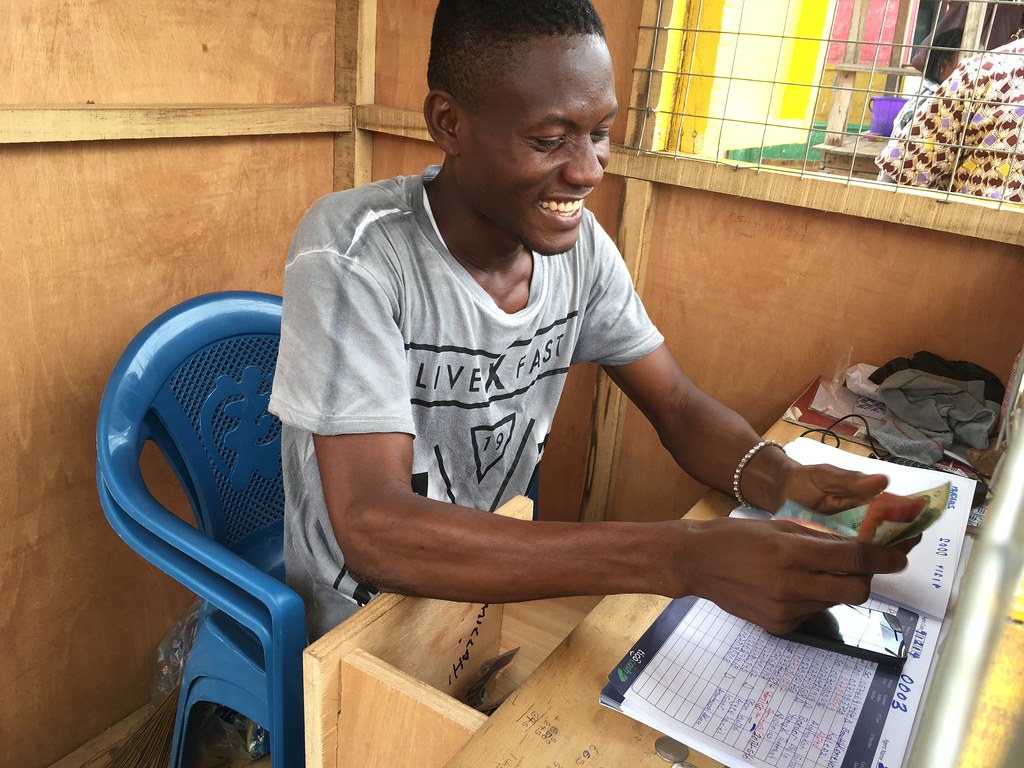
Almost every payment a Ghanaian trade business receives arrives by mobile money. Almost none of those businesses use it as a business tool — they use a personal number, they trust screenshots, and at the end of the month they cannot tell you what came in.
Three fixes, all of them small.
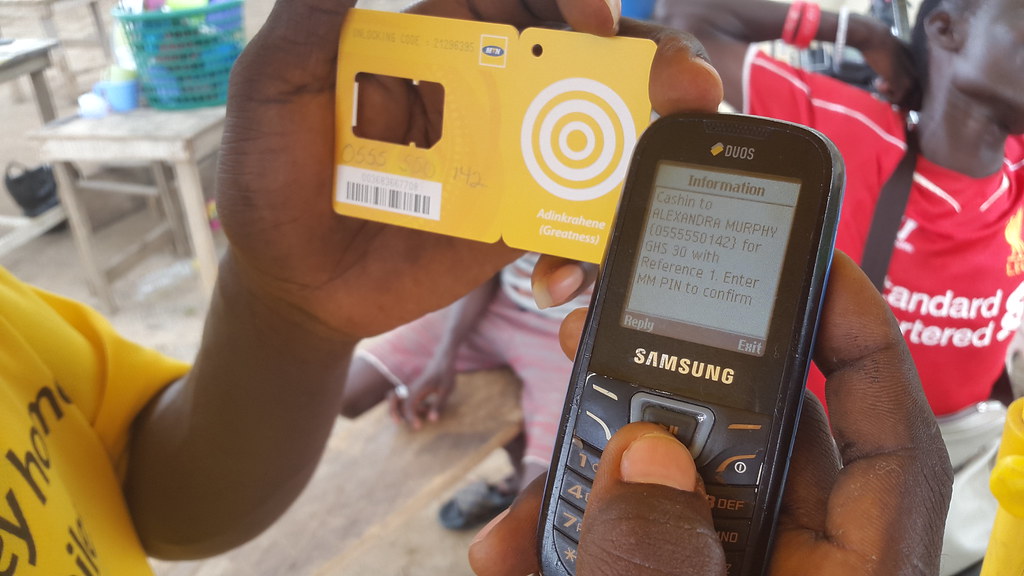
1. Stop taking business payments on a personal number
A personal MoMo wallet mixes your child's school fees with a client's deposit in the same statement. That costs you in four ways: you cannot reconcile payments to invoices, you cannot prove income to a bank or the GRA, transaction limits get in your way, and clients paying "Kwaku Mensah" instead of a business name quietly wonder how real the business is.
A merchant account (MTN MoMoPay, Telecel Cash and AT Money have equivalents) fixes all four:
- Payments come in under your business name, which clients see when they confirm.
- Higher limits and separate records.
- A till/merchant ID you can print on invoices and on a sticker at the workshop.
- Statements you can actually reconcile.
To open one you generally need your Ghana Card, your business registration documents, and a visit to the provider's office or an authorised agent. If you are not registered yet, start with registering the business — it is a week of paperwork that unlocks this and the bank account together.
2. Know what the charges are before you quote
Charges and government levies on mobile money have changed repeatedly in recent years — the E-Levy era, then its removal — and provider tariffs differ between personal transfers, merchant payments and cash-outs. Do not price from what you remember: check the current tariff with your provider, and decide deliberately who absorbs it.
Whatever you decide, say it on the invoice: "Payments by MoMo to 024 XXX XXXX (Business Name). Charges borne by sender." Two sentences beat an argument at handover.
3. Watch for the payment scams
Three, seen constantly in the trade:
- The fake alert screenshot. A doctored payment confirmation, shown at pickup. Never release work on a screenshot — check your own balance or statement.
- The reversal story. "I sent it by mistake, send it back" — often after the original payment is itself fraudulent. Verify the credit is real and settled first.
- The overpayment. They "accidentally" send more and ask for the change. Refund only to the same number the money came from, only after the credit is confirmed, and never in cash.
One rule covers all three: your own balance is the only proof of payment.
Keeping records that survive a question
MoMo statements are a ledger — most businesses just never read them.
- Reference every payment. Ask clients to put the invoice number in the reference. Yours is the fifth payment that agent handled today; the reference is what tells the two of you apart later.
- Record the payment against the invoice the same day. This is the habit that separates businesses who know their debtors from businesses who "think everyone has paid".
- Issue a receipt. Even a short WhatsApp message: "Received GH₵ 6,000 deposit on invoice INV-042, balance GH₵ 7,250 due on completion." It closes the loop and prevents the argument that starts with "but I paid you already."
- Download your statement monthly. Providers offer statements to registered merchants — this is what you hand to a bank when you want a loan.
In Fabri Manager, recording a MoMo payment against an invoice takes one tap: the balance updates, the client sees it on their portal, and the month's takings add themselves up without a calculator.
Common questions
Is a MoMo merchant account free? Opening is generally free; you pay per-transaction charges that differ from personal rates. Confirm the current tariff with your provider.
Can I accept payment from any network? Yes — cross-network mobile money transfers work in Ghana, and merchant accounts accept them. Charges can differ.
Should I still have a bank account? Yes. MoMo is for receiving day to day; a bank account is for holding, payroll, supplier payments and anything a lender will want to see.
A client insists on paying cash. Fine? Fine — just issue a receipt and record it the same day. Cash you did not record is indistinguishable from cash you never received.
Related reading: how to write an invoice in Ghana · how to get clients to pay on time
Run your business the organised way
Quotes, jobs, invoices and payments in one place — built for Ghana's construction and home-service businesses. 30 days free.
Start your free trial