
Record Keeping for Small Businesses in Ghana: The Five Records That Matter
Elkanah Kwaku Donkor · Founder, Fabri Manager · 30 Sept 2026 · 4 min read
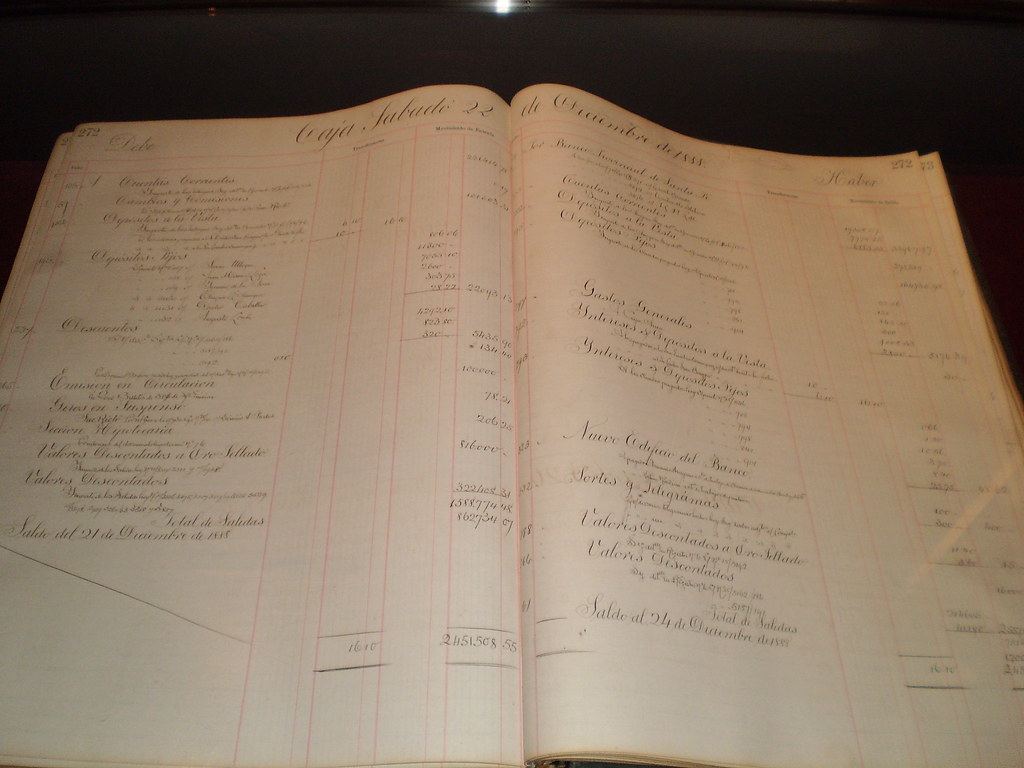
Most small businesses in Ghana do not fail from lack of work. They fail from not knowing their own numbers — and by the time the numbers are needed (a loan, a tax question, a partner, a bad month) reconstructing them is impossible.
Five records. A notebook is enough to start. Keeping them daily is the entire discipline.

1. Sales / income record
Every cedi that comes in, the day it comes in.
| Date | Client | Invoice no. | Amount | Method |
|---|---|---|---|---|
| 14/03 | K. Mensah | INV-042 | GH₵ 6,000 | MoMo |
Why it matters: it is your turnover, your busiest-month evidence, and the number every lender asks for first. It is also the only way to know whether this year is actually better than last year, rather than just busier.
2. Expenses record
Every cedi that goes out — materials, consumables, fuel, rent, electricity, phone credit, wages, repairs.
| Date | What | Supplier | Amount | Job |
|---|---|---|---|---|
| 12/03 | 2" square pipe × 20 | Steel depot | GH₵ 5,400 | Mensah gate |
Two things make this record powerful: a receipt for everything, and the job column. That column is how you learn what jobs really cost, which is what makes your pricing real — see how to price a fabrication job.
3. Debtors record — who owes you
| Client | Invoice | Amount | Due | Paid | Outstanding |
|---|---|---|---|---|---|
| K. Mensah | INV-042 | GH₵ 13,250 | 28/03 | GH₵ 6,000 | GH₵ 7,250 |
The test: can you answer "who owes me money, how much, and since when?" in ten seconds? If not, this is the record to start today. Money owed to you is the most commonly lost asset in Ghanaian small business. See how to get clients to pay on time.
4. Stock / materials record
What came in, what went out, and to which job. For a workshop, this is also your theft control: materials issued against a job and offcuts returned. You do not need perpetual inventory — a monthly count of the main items is enough to spot a pattern.
5. Wages and worker record
Who worked, which days, what they were paid, and their acknowledgement — plus a one-page term sheet per worker. Full detail: paying workshop workers in Ghana.
What these five get you
- Your real profit, not your bank balance. Cash in the drawer is not profit; some of it is the client's deposit and next week's steel.
- A loan. Every lender asks for bank statements, sales records and often a business account history: getting a business loan in Ghana.
- Peace with the GRA. Registered businesses are expected to keep proper books; producing them on request is a very different day from reconstructing them.
- A price that works. Real costs per job instead of hopeful guesses.
- A business you can sell, share or hand over. A business that lives only in the owner's head cannot be given to anyone — including a manager while you take a week off.
Habits that make it survivable
- Same time every day. Ten minutes at closing beats two hours on Sunday, because Sunday will not happen.
- One place. Not three notebooks and a phone gallery.
- Photograph every receipt the moment it is handed to you. Paper fades, gets wet, and disappears.
- Reference everything. Invoice numbers on payments, job names on expenses. References are what make records searchable a year later.
- Reconcile monthly. Compare your sales record against your MoMo and bank statements — see mobile money for business. Differences are either mistakes or something worse; either way you want to know within 30 days.
- Keep records for at least six years. Tax and legal questions arrive late.
Common questions
Do I need accounting software? No — but you need something that is kept daily. A notebook kept faithfully beats software nobody opens. Software helps once there are too many jobs to hold in your head.
Am I legally required to keep records in Ghana? Registered businesses are expected to keep proper books and records for tax purposes, and companies have further filing obligations. Confirm specifics with the GRA or your accountant.
Cash jobs too? Especially cash jobs. Unrecorded cash is indistinguishable from money that never arrived.
What is the one record to start with if I only start one? The debtors record. It usually pays for itself within a week.
Fabri Manager keeps the first three of these automatically — every quotation, invoice, payment and balance recorded as you work, so the records exist without a second job of bookkeeping at the end of the day.
Run your business the organised way
Quotes, jobs, invoices and payments in one place — built for Ghana's construction and home-service businesses. 30 days free.
Start your free trial