
How to Tell Good Welding from Bad (Before You Pay)
Elkanah Kwaku Donkor · Founder, Fabri Manager · 30 Sept 2026 · 4 min read
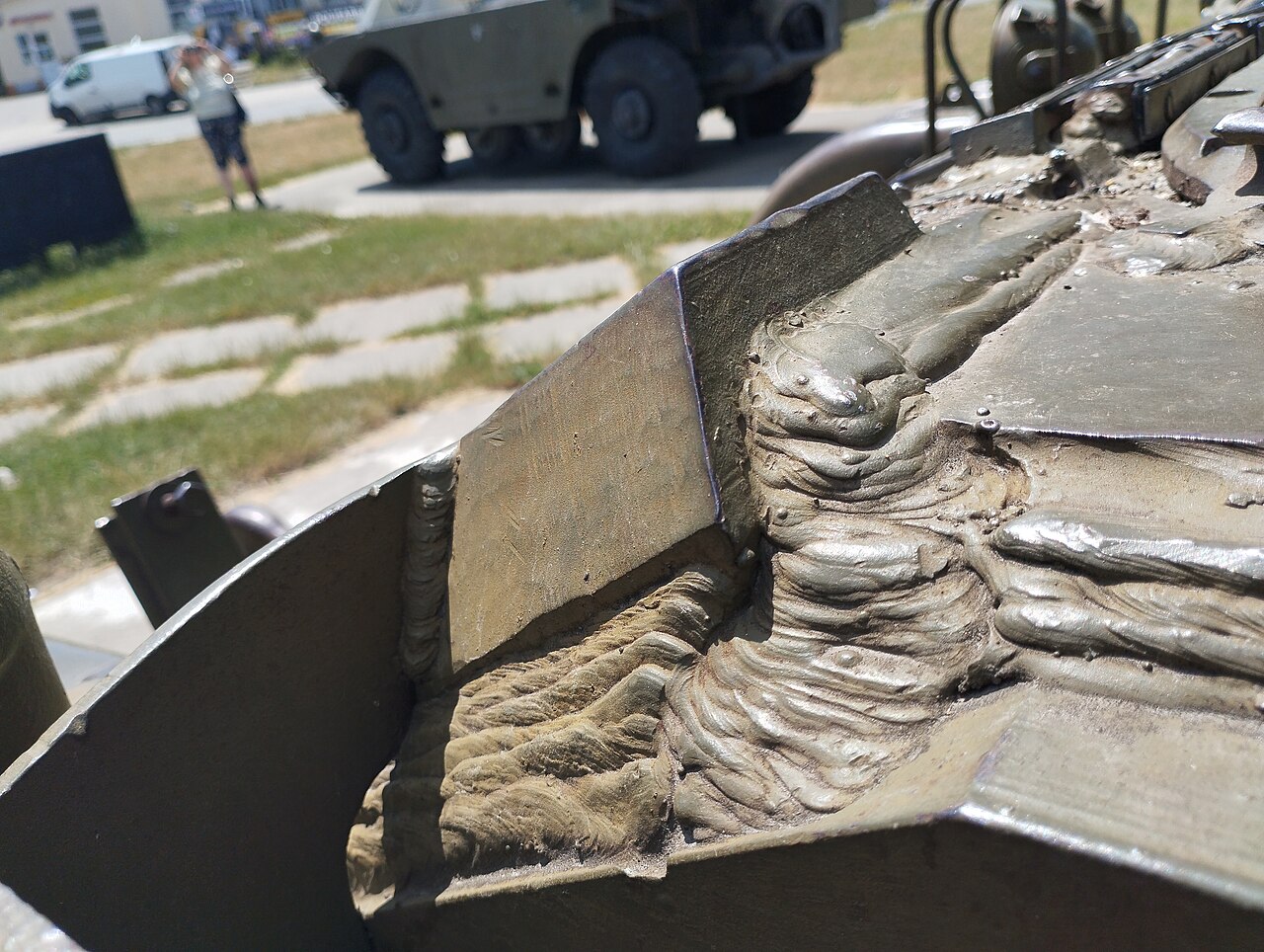
You do not need to be a welder to tell whether you have been given good work — you need ten minutes, daylight, and a list of what to look at. Most poor fabrication in Ghana is visible to anyone who knows where to look, and almost all of it is hidden under fresh paint by the time the client arrives.
So inspect before painting if you possibly can.
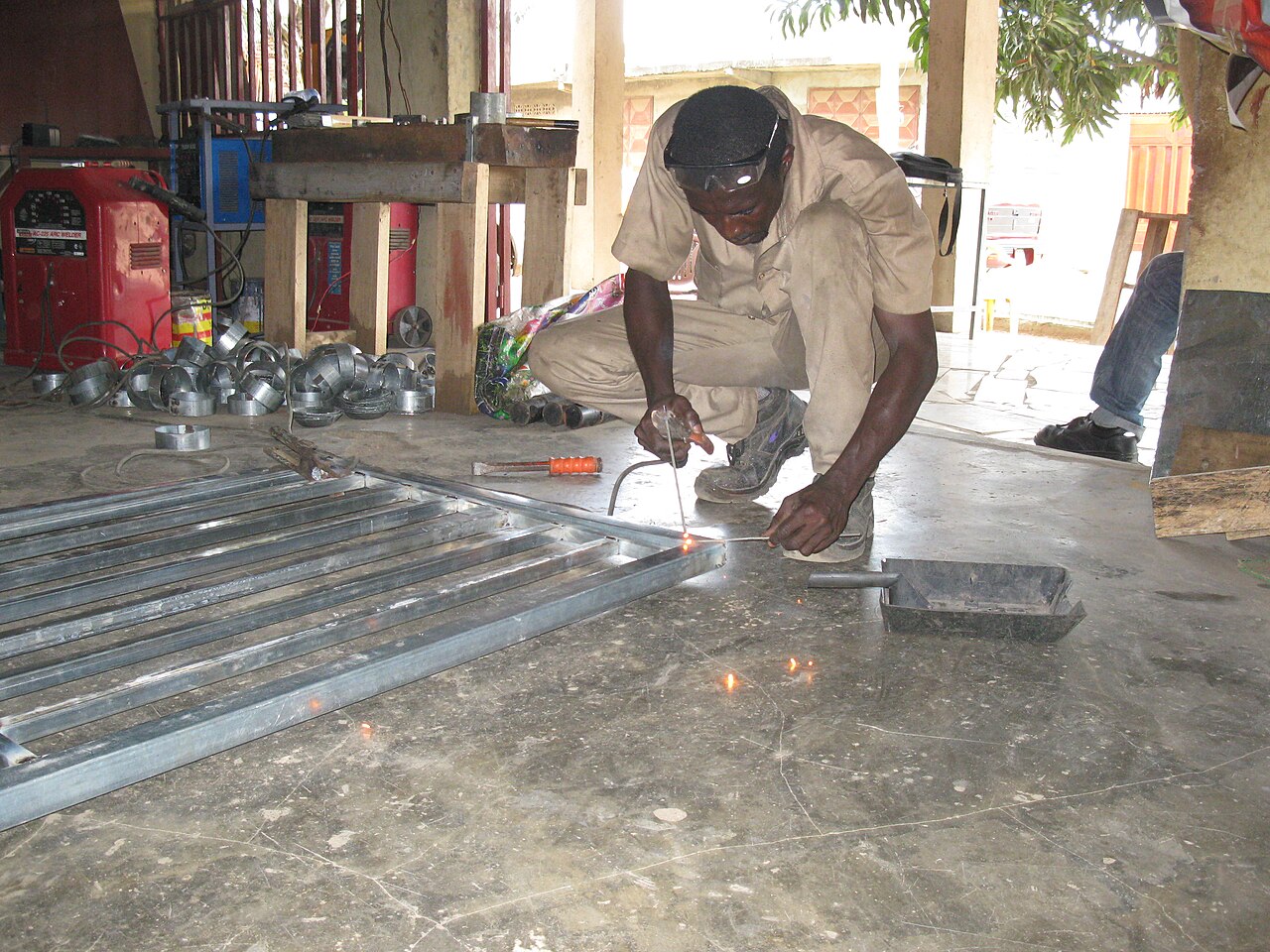
What a good weld looks like
- Even and consistent — regular ripples, uniform width, following the joint like a line of stitching.
- Fully along the joint where the design calls for it, not a series of dabs with gaps between.
- Blended into both pieces of metal, not sitting on top of them like a bead of glue.
- Clean — slag chipped off, spatter ground back, no scorched paint left over from welding onto a finished surface.
- Aligned — the pieces it joins meet squarely, with no step or twist forced into place.
Seven defects you can see without training
- Gaps and skipped sections. Weld that stops and starts, leaving the joint open. Water gets in; cracks start there.
- Burn-through holes. Melted holes, often filled and painted over. Look at the back of the joint.
- Cold, lumpy beads sitting proud. Weld piled on the surface without fusing — it can pop off under load. If the edge of the bead has a visible crease or overlap rather than blending, be suspicious.
- Porosity — pinholes. A row of tiny holes across the bead means contamination. On a gate, mostly cosmetic; on a load-bearing stand, not.
- Cracks. Any hairline crack in or beside the weld is rework, no exceptions.
- Undercut. A groove eaten into the parent metal alongside the weld — it thins exactly where the joint needs thickness.
- Heavy spatter and grinder gouges. Not strength issues, but they tell you how much care the job received — and care travels.
Simple on-site tests
On a gate or door
- Open and close it fully, several times. Does it drag, drop or spring back?
- Look along the face from one corner — is it flat, or twisted?
- Check diagonal measurements corner to corner: they should match. If they do not, the frame is out of square and it will only get worse.
- Push the middle firmly. Sheet should not oil-can and the frame should not flex.
On a tank stand or structure
- Push hard sideways at shoulder height. It should feel dead solid, with no sway.
- Inspect every leg base and every brace end — these are the joints that fail.
- Confirm the tank sits fully supported and level.
On railings
- Lean on it with real weight. A railing must take a grown adult's shove without moving.
- Check post fixings — the commonest weak point, not the welds.
Anywhere
- Look for fresh paint over rust. Rub a hidden spot; flaking means it was not prepared, and the finish will fail within a year.
When it is not right
- Raise it before the final payment, politely and specifically: "This joint here has a gap, and the frame is 12mm out of square across the diagonal."
- Photograph everything and send the photos in the same message. Evidence keeps conversations calm.
- Ask for rework, with a date. Most workshops will fix it; the good ones would rather know.
- Hold the balance until it is resolved — the reason to structure payments in stages: see how to choose a fabricator.
- If it is structural and they refuse, have an independent fabricator or engineer inspect. For a tank stand or a building frame, do not negotiate on this.
Common questions
Can I inspect welding after painting? Partly — you can check alignment, squareness, rigidity and finish, but paint hides gaps, holes and spatter. Inspect before painting where you can.
Is a thick, chunky weld a strong weld? No. Size is not strength — fusion is. A tidy weld that penetrates beats a heap of metal sitting on the surface.
What should I do about small pinholes on my gate? Cosmetically, fill and paint. On anything load-bearing, ask for it to be cut out and re-welded.
Does a warranty cover bad welds? It should — workmanship warranties usually last months to a year. Get it in writing before you pay: that is what makes it real.
Workshops: clients who inspect are the ones who refer you. A photo record of each stage — sent as the job progresses — turns inspection into confidence. Fabri Manager keeps job photos, the quotation and the payments together on one record.
Run your business the organised way
Quotes, jobs, invoices and payments in one place — built for Ghana's construction and home-service businesses. 30 days free.
Start your free trial