
How to Start a Welding Business in Ghana: Equipment, Capital and First Clients
Elkanah Kwaku Donkor · Founder, Fabri Manager · 27 Sept 2026 · 5 min read
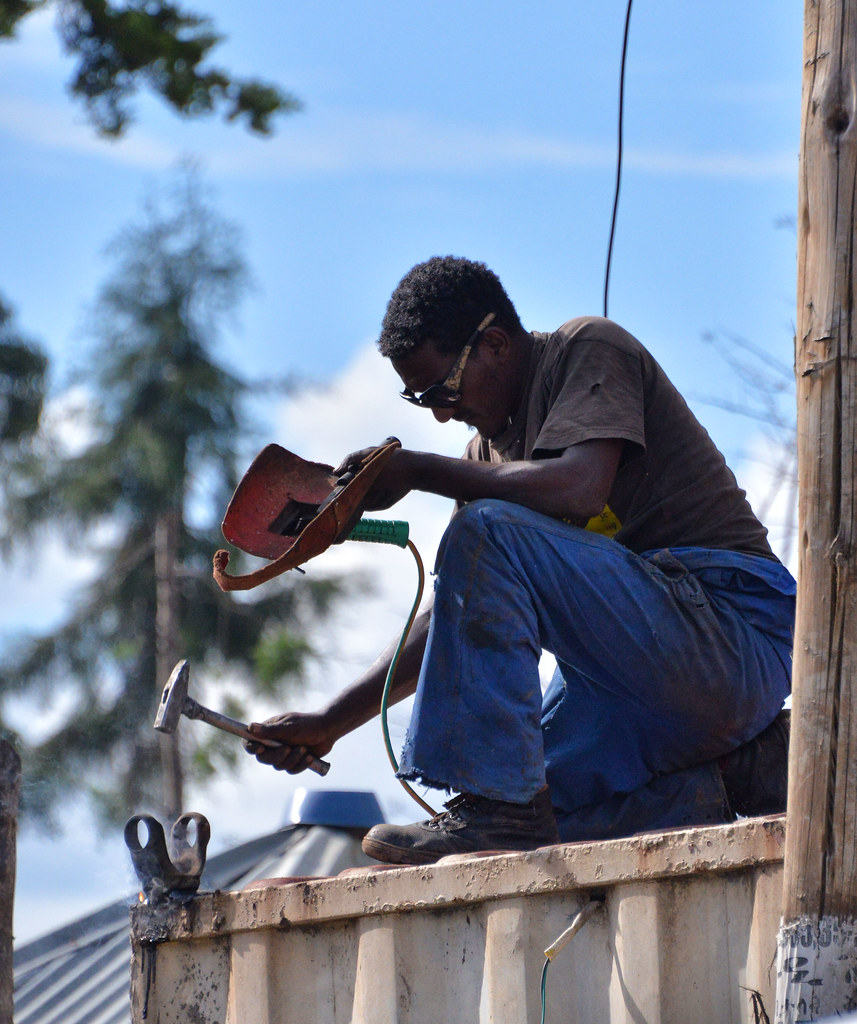
Welding is one of the few trades in Ghana where a skilled person with modest capital can be earning within a month. It is also a trade where plenty of skilled people stay poor, because a workshop is a business, and the business part is nobody's favourite.
This is the practical path.
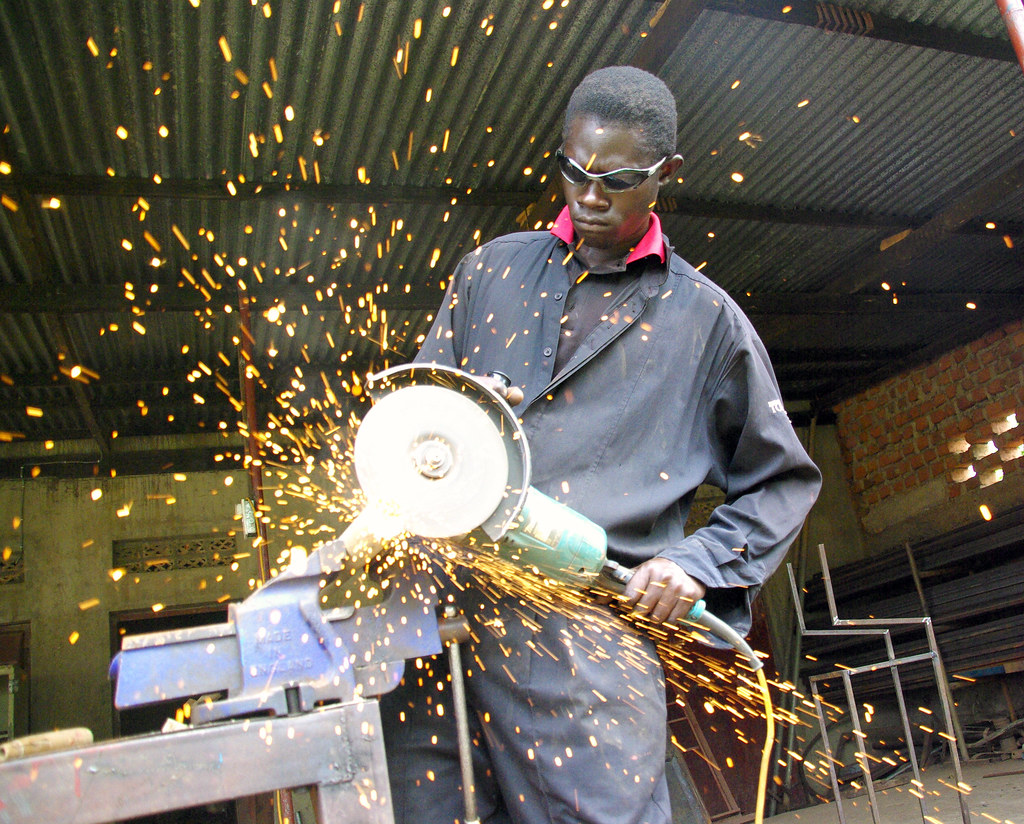
1. The equipment you actually need to start
Resist the urge to buy everything. The lean starting kit:
Essential
- An arc welding machine (inverter machines are lighter, cheaper on power and now the default)
- Angle grinder — two if you can, so you are not swapping discs all day
- Chop saw or cut-off machine
- Electric drill and a set of bits
- Measuring tools: tape, square, spirit level, marker, chalk line
- Clamps and a solid work bench — more important than most people expect
- Safety gear: welding helmet, gloves, apron, goggles, boots, fire extinguisher
- Extension cables rated for the machines, not for a radio
Soon after
- Bench grinder, welding table, trolley, spray gun and compressor
- Generator, because the lights will go off during the job you promised for Friday
- Pipe bender and a heavier saw as the work grows
Later, when the work demands it
- MIG/TIG for stainless and aluminium, plasma cutter, drill press, roller
Buy the machine new if you possibly can; buy the accessories second-hand. A cheap welding machine that trips out mid-job is the most expensive tool in any workshop.
2. Realistic startup capital
Rather than a single figure that will be wrong next quarter, budget in these buckets:
| Bucket | Notes |
|---|---|
| Machines and tools | The lean kit above; new machine, used accessories |
| Premises | Rent plus advance — often several months paid upfront |
| Power connection | A meter and cabling able to carry welding load |
| Registration and permits | Business name, operating permit |
| Consumables and first materials | Electrodes, discs, primer, paint |
| Working capital | The one everyone forgets — money to buy a client's materials before they pay, and to eat in a slow first month |
That last row is what kills new workshops. Do not spend your entire capital on tools.
3. Where you site it matters more than its size
- Visibility beats space. A small shop on a busy road gets walk-in work that a big compound behind a wall never sees.
- Cluster or avoid? Being near other fabricators brings customers who came to compare, and neighbours who lend you a machine. Being the only welder in a growing residential area brings gates, burglar proof and railings for years.
- Power, access and neighbours. You need real power, a way to get 6-metre lengths in and finished gates out, and neighbours who can live with grinding noise. Sort that before you sign a lease.
4. Register, and get the permit
Register the business — a business name registration is cheap and fast — then get your business operating permit from your local assembly. The permit is the one workshops skip and inspectors ask for. Registration also unlocks a business bank account and a MoMo merchant account, which is how you stop mixing the shop's money with your own.
5. Winning the first ten jobs
- Tell everyone you know, specifically. Not "I have opened a shop" but "I make gates, burglar proof and railings — I am at Adenta Barrier, here is my number."
- Photograph every single job, finished, in daylight, from a good angle. This is your entire marketing department in year one.
- Set up WhatsApp Business with a catalog of those photos. See how to get more customers.
- Introduce yourself to the people who feed this trade: masons, contractors, estate caretakers, hardware shops, aluminium fitters, electricians. Contractors need a reliable fabricator constantly, and being reliable twice is enough to be adopted.
- Take the small jobs early. A repaired gate hinge today is a full gate contract in a year, from the same person.
- Quote in writing from job number one. It is the cheapest credibility you will ever buy — and the habit is nearly impossible to add later.
6. The three habits that decide whether you grow
- Price properly. Materials, waste, consumables, labour, transport, overheads, margin. Full method: how to price a fabrication job.
- Take deposits, and record every payment the day it lands. A workshop that cannot say who owes it money is a workshop working for free somewhere.
- Finish when you said you would. In Ghana's trade market, punctuality is so rare it functions as a competitive advantage.
Common questions
How much do I need to start a welding business in Ghana? Enough for a decent machine and basic tools, premises with real power, registration, and — crucially — working capital for materials and a slow first month.
Do I need formal certification to weld in Ghana? For general fabrication, no formal certificate is demanded by most clients; apprenticeship-trained welders dominate the trade. For structural, oil and gas, or marine work, certification is decisive and worth pursuing.
Is fabrication still profitable with so many welders around? Yes — the market is crowded at the bottom and thin at the top. Workshops that measure, quote in writing, finish on time and answer their phone are still scarce.
Should I hire an apprentice immediately? Only when the work is there. Then treat it properly: see paying workshop workers in Ghana.
When the jobs start overlapping, the paperwork is what buckles first. Fabri Manager was built for exactly this stage: quotations that become jobs and invoices, a job list your workers can see, and every payment recorded against the client.
Run your business the organised way
Quotes, jobs, invoices and payments in one place — built for Ghana's construction and home-service businesses. 30 days free.
Start your free trial