
Poly Tank Stand Prices in Ghana (2026): Heights, Steel and Safety
Elkanah Kwaku Donkor · Founder, Fabri Manager · 30 Sept 2026 · 4 min read
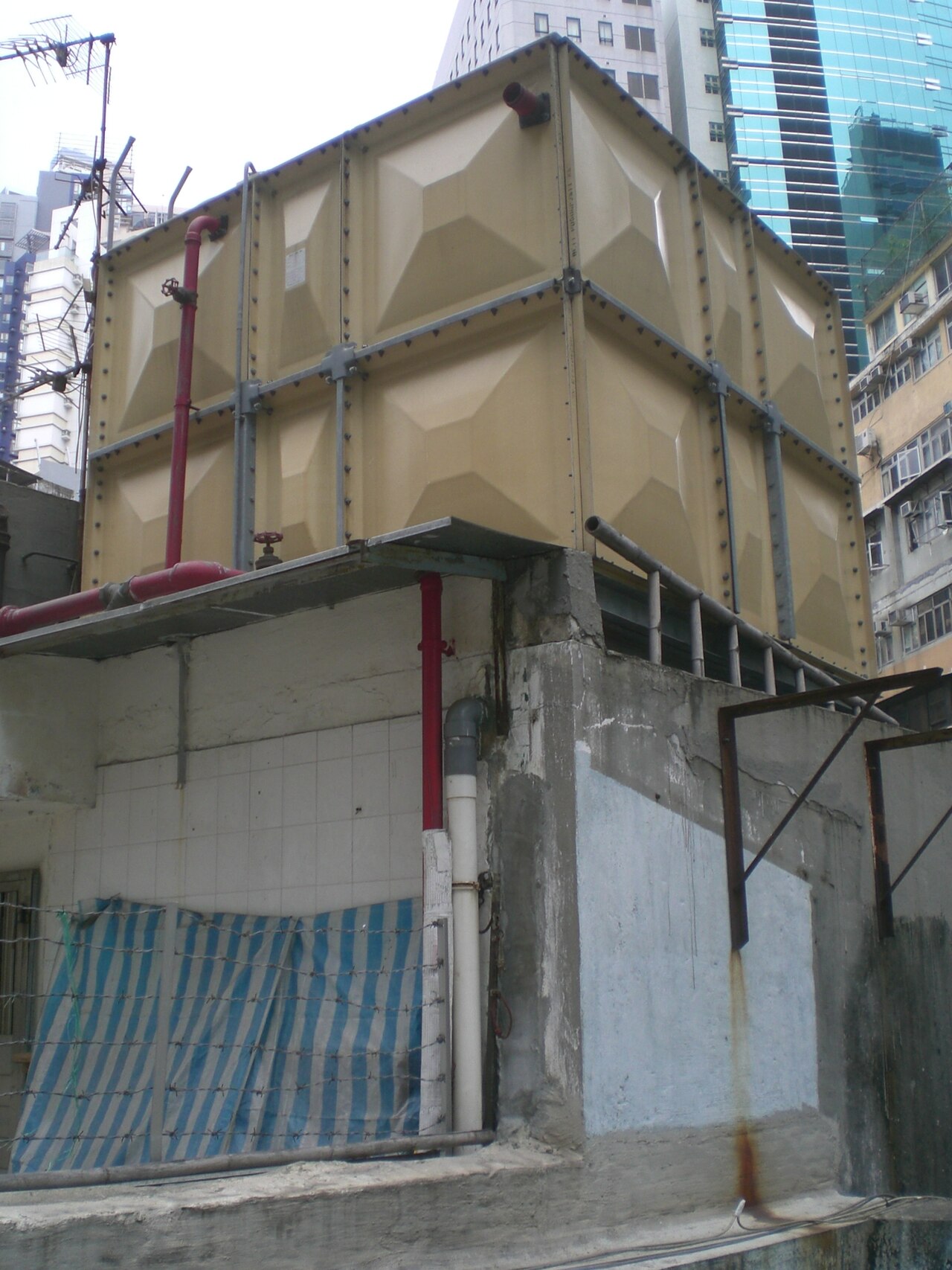
A poly tank stand holds a tonne of water four metres above your head. It is the single piece of metalwork in a Ghanaian home where cutting the price by 30% can cost you the tank, the plumbing, and possibly somebody standing underneath it.
So this guide is about two things: what a stand should cost, and what a safe one is made of.
Typical prices (2026)
Stands are priced by height and tank capacity, fabricated and installed. Treat these as ranges — steel prices and the cedi decide the rest:
| Stand height | For a 1,000L tank | For a 2,000–2,500L tank |
|---|---|---|
| Low (about 1.5m / 5ft) | GH₵ 2,000 – 4,500 | GH₵ 3,000 – 6,500 |
| Standard (about 3m / 10ft) | GH₵ 4,000 – 8,500 | GH₵ 6,000 – 12,000 |
| High (about 4.5m / 15ft) | GH₵ 7,000 – 14,000 | GH₵ 10,000 – 20,000 |
| Double-tank platform | — | GH₵ 14,000 – 30,000+ |
Concrete footings and base work are often quoted separately — ask. A stand bolted to a slab that is not there yet is not a finished job.
What the stand should be made of
Water weighs a tonne per cubic metre. A 2,000-litre tank is two tonnes of live load sitting on four legs, in wind, sometimes on soft ground.
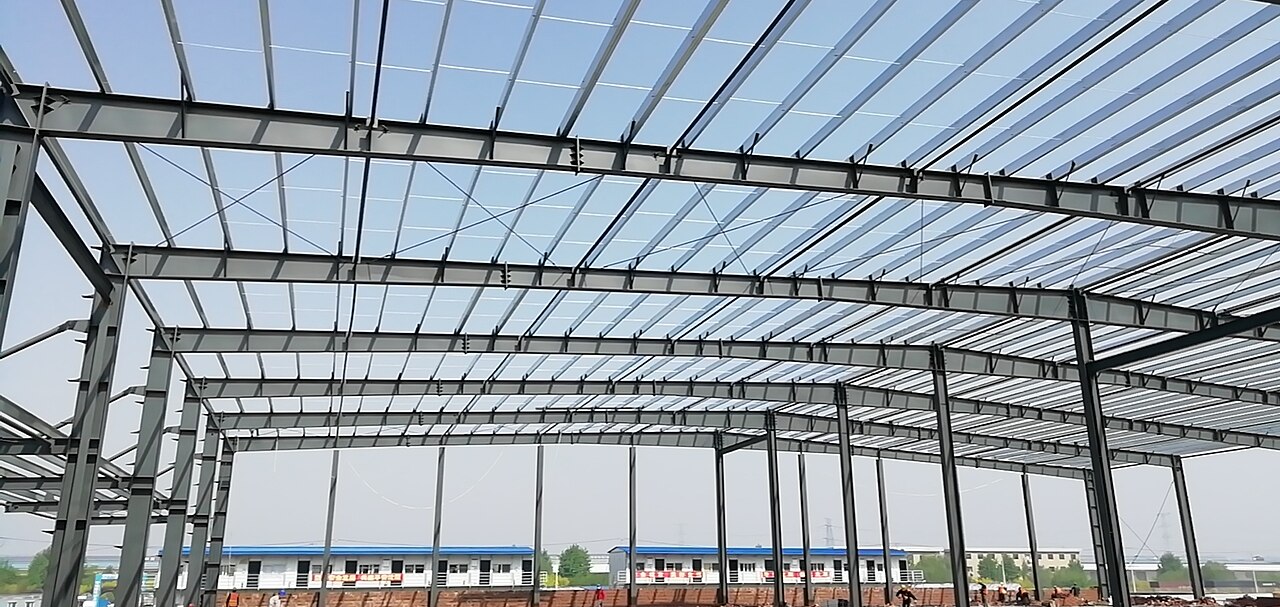
- Legs: commonly 3" or 4" round or square pipe, with a wall thickness that matters more than the diameter. Thin-wall 4" pipe looks reassuring and buckles anyway — ask for the thickness in mm, in writing. Many good fabricators quote 2mm–3mm wall on the legs for a standard residential stand.
- Bracing: horizontal and diagonal members on every face. Legs alone are a stool; bracing is what stops it racking sideways.
- Top frame: the tank must sit fully supported. A poly tank resting on four bars will bulge and split between them — the top needs a proper platform of closely spaced members or sheet.
- Base plates and footings: plates welded to the legs, bolted or cast into concrete footings that reach past the soft topsoil. This is where cheap stands fail — they sink on one corner and the whole thing leans.
- Finish: galvanised is best; otherwise wire-brushed, primed and painted, with the base treated properly since it sits where water collects.
The questions that separate a safe stand from a cheap one
- What pipe size and wall thickness for the legs?
- How is the top platform made — will the tank be fully supported?
- What are the footings: size, depth, and is concrete included?
- Galvanised, or painted? How many coats?
- What tank size and how many tanks is it rated for?
- Does the price include installation and the plumbing connections?
Any fabricator who answers all six without hesitation has built stands before. That is who you want.
Siting it properly
- Height buys pressure, but only so much: every extra metre adds cost and wind load. For ordinary household pressure, a standard stand plus a booster pump often beats a very tall stand.
- Put it where a truck can reach — tanks get replaced.
- Not directly against the house, so you can inspect and paint all four legs.
- Think about the sun. A tank in full sun grows algae faster and heats the water; some households roof the platform, which adds cost but pays back in tank life.
- Leave room to climb safely. A fixed ladder with a proper top platform is far cheaper than a fall.
Maintenance, twice a year
- Walk around it and look at the base of each leg for rust and standing water.
- Check the bracing welds for hairline cracks, especially after a storm.
- Check the tank is still level and fully seated — settlement shows up first as a tilt.
- Repaint on a schedule rather than when it looks bad: see stopping rust on metalwork in Ghana.
Common questions
How much is a tank stand in Ghana? Most standard 10ft stands for a single 1,000L tank land between GH₵ 4,000 and GH₵ 8,500 installed, with taller stands and bigger tanks costing more. Listings around GH₵ 8,500 for galvanised stands are common.
What height should my tank stand be? Enough for gravity flow to your highest outlet, plus a margin. Most homes use 10ft–15ft; with a booster pump, lower is fine and cheaper.
Galvanised or painted steel? Galvanised lasts longer with no maintenance and costs more upfront — worth it near the coast, or anywhere you would rather not repaint a 15ft structure.
Can a stand be extended later? Sometimes, but badly. Height changes the loads on the legs and footings; extending a stand designed for 10ft is how leaning stands are made.
Fabricating these? An itemised quotation stating pipe size, wall thickness, footings and finish wins against a cheaper vague one — and it is your defence if a client later asks why yours cost more. Fabri Manager builds that quotation in two minutes and turns it into the job and the invoice.
Related: metal gate prices · how to price a fabrication job
Run your business the organised way
Quotes, jobs, invoices and payments in one place — built for Ghana's construction and home-service businesses. 30 days free.
Start your free trial