
How to Measure for a Gate, Window or Burglar Proof (Client Guide)
Elkanah Kwaku Donkor · Founder, Fabri Manager · 30 Sept 2026 · 4 min read
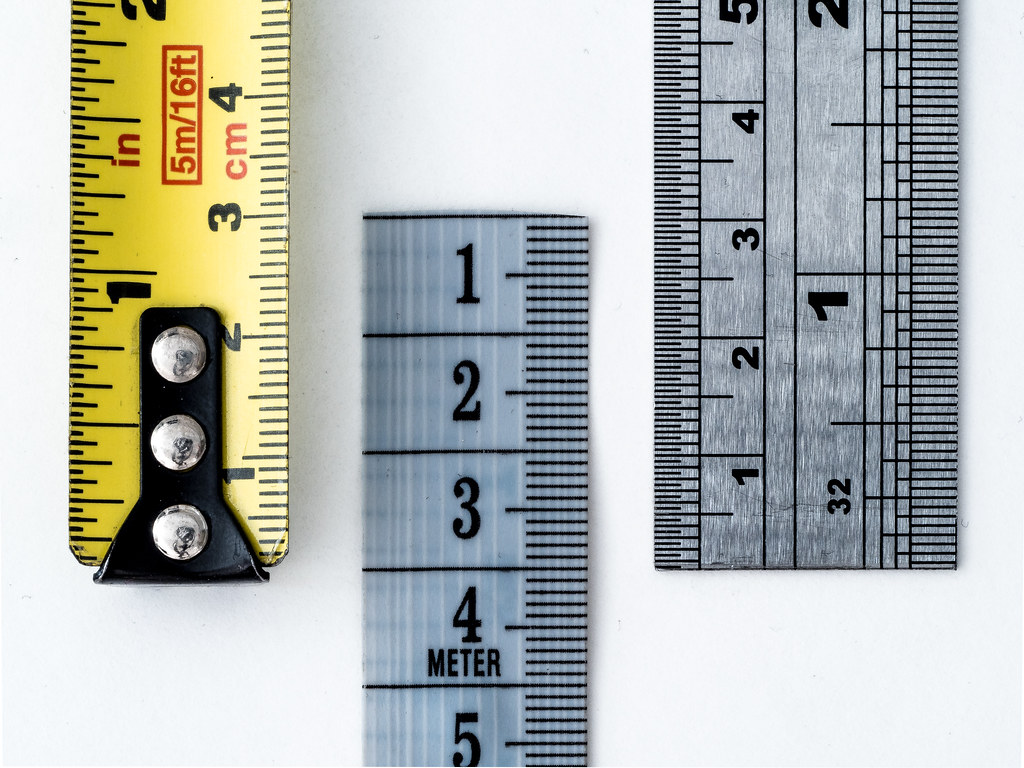
Almost every remade gate and every ill-fitting grille in Ghana traces back to one bad measurement, taken once, by someone standing in the sun in a hurry.
Ten minutes with a tape measure and a phone gets you accurate quotes from three workshops without any of them visiting — and it protects you when the finished item arrives.
What you need
A steel tape measure (not a tailor's tape), a pen and paper, and your phone's camera. That is all.
The golden rules
- Measure the opening, not the old item. The existing gate or grille may have been wrong for years.
- Measure in three places. Width at the top, middle and bottom; height at left, middle and right. Ghanaian blockwork is rarely square — write down all three, and the smallest one is what matters.
- Use one unit throughout — millimetres are best, feet and inches are fine. Never mix them in the same list.
- Write width first, then height, every time. "1200 × 1400 (W × H)" removes all doubt.
- Photograph what you measured, including a shot with the tape in place.
- Label everything. "Bedroom 1 window", "hall window", "main gate". Ten unlabelled measurements are ten arguments waiting.
Gates
- Width of the opening, pillar face to pillar face, at top and bottom.
- Height you want — and tell them how you measured it: from finished ground or from bare earth. A driveway that will be paved later changes ground level, and a gate that scraped from day one was measured before the concrete.
- Which way it should open, or which side it should slide to. For sliding, measure the clear run of wall it will slide along; it needs roughly the width of the gate again.
- Slope. If the driveway falls away, say so — it decides swing versus sliding.
- Pillars: their width and whether they are plumb, plus anything nearby (steps, a tree, a meter box).
- Whether you want a pedestrian door in the gate, and whether you will automate it later — see gate motors.
Burglar proof and window grilles
- Width and height of the reveal (the recess), in three places each.
- Depth of the reveal — how far the grille can sit inside before it meets the window frame.
- Whether the window opens inward (louvre handles, casement) — the grille must clear the handles.
- Which windows need an openable panel (at minimum, one per bedroom).
- One photo per window, straight on, plus one showing the whole wall.
Make it a list — a simple window schedule — and send the same list to every workshop. Different measurements are why quotes appear to differ: see burglar proof prices.
Railings and balustrades
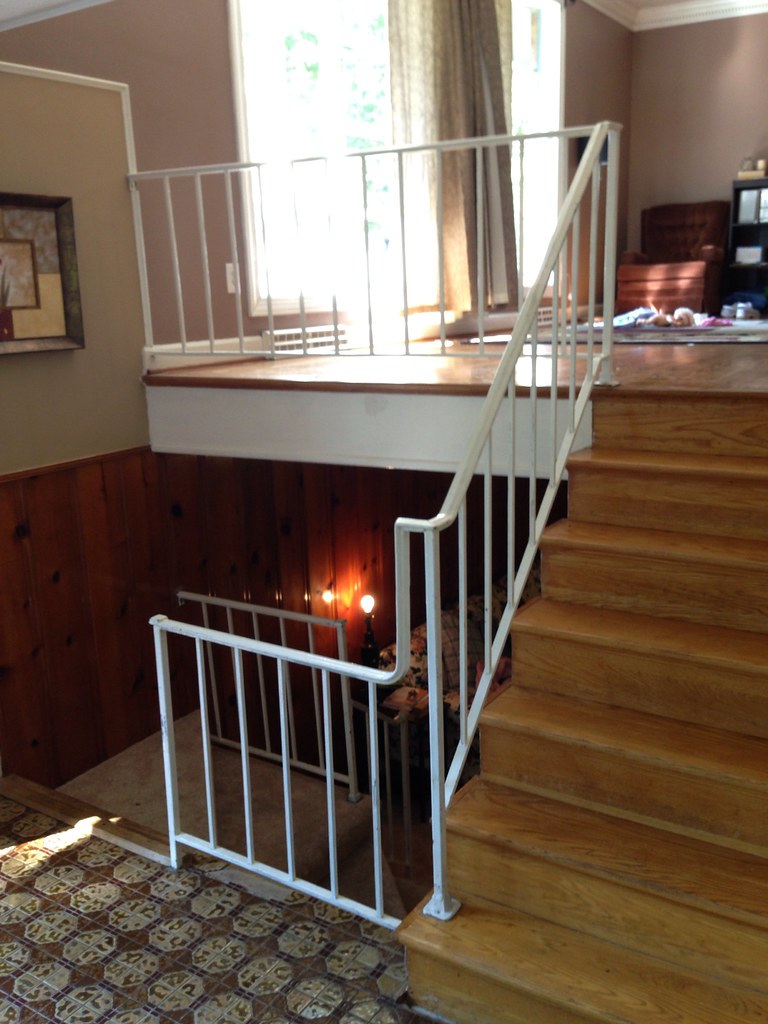
- Total run in metres, following the stairs — measure along the slope, not the floor.
- Number of steps and the rise/going if you can.
- Height you want for the handrail, from the step nosing.
- Landings and turns: sketch them, however roughly. A crooked sketch beats a perfect paragraph.
- Whether the stairs are already tiled — it changes fixing and cost: see railing prices.
Tank stands and carports
- Tank capacity and diameter, and the height you need to the platform.
- For carports: length and width to cover, the height to the underside (measure your tallest vehicle, then add clearance), and which side rain should run off.
- Say what the ground is: earth, concrete, paving, slope.
The five mistakes that cost money
- Measuring in one place only. Openings are not rectangles.
- Mixing feet and millimetres in one list.
- Measuring to the plaster before plastering is done — say if finishes are still to come.
- Forgetting ground level changes — paving, screed, a new step.
- Not saying which way things open. Gates hinged on the wrong side are a common and entirely avoidable disaster.
Sending it well
One WhatsApp message: the labelled list, the photos, and one line of context — "single-storey house at Oyarifa, plastering done, paving not yet, want to automate the gate next year." A fabricator who receives that can quote accurately within the hour, and you can compare quotes that are genuinely about the same job.
Common questions
Should the fabricator not measure it themselves? For the final job, yes — insist on a measurement visit before fabrication starts. Your measurements are for accurate quoting and for holding them to what was agreed.
What if my opening is not square? Normal. Give all three measurements; a good fabricator builds to the smallest and packs the difference neatly.
Do I measure before or after plastering? Either — just say which. Plaster typically takes 15–25mm off each side, and that is exactly the size of a bad surprise.
How accurate do I need to be? To the nearest 5mm is plenty for quoting. For fabrication, let the workshop confirm on site.
Fabricators: clients who send labelled measurements and photos are gold — quote them the same evening, itemised, before someone else does. Fabri Manager keeps the photos, the measurements and the quotation together on one job record.
Run your business the organised way
Quotes, jobs, invoices and payments in one place — built for Ghana's construction and home-service businesses. 30 days free.
Start your free trial